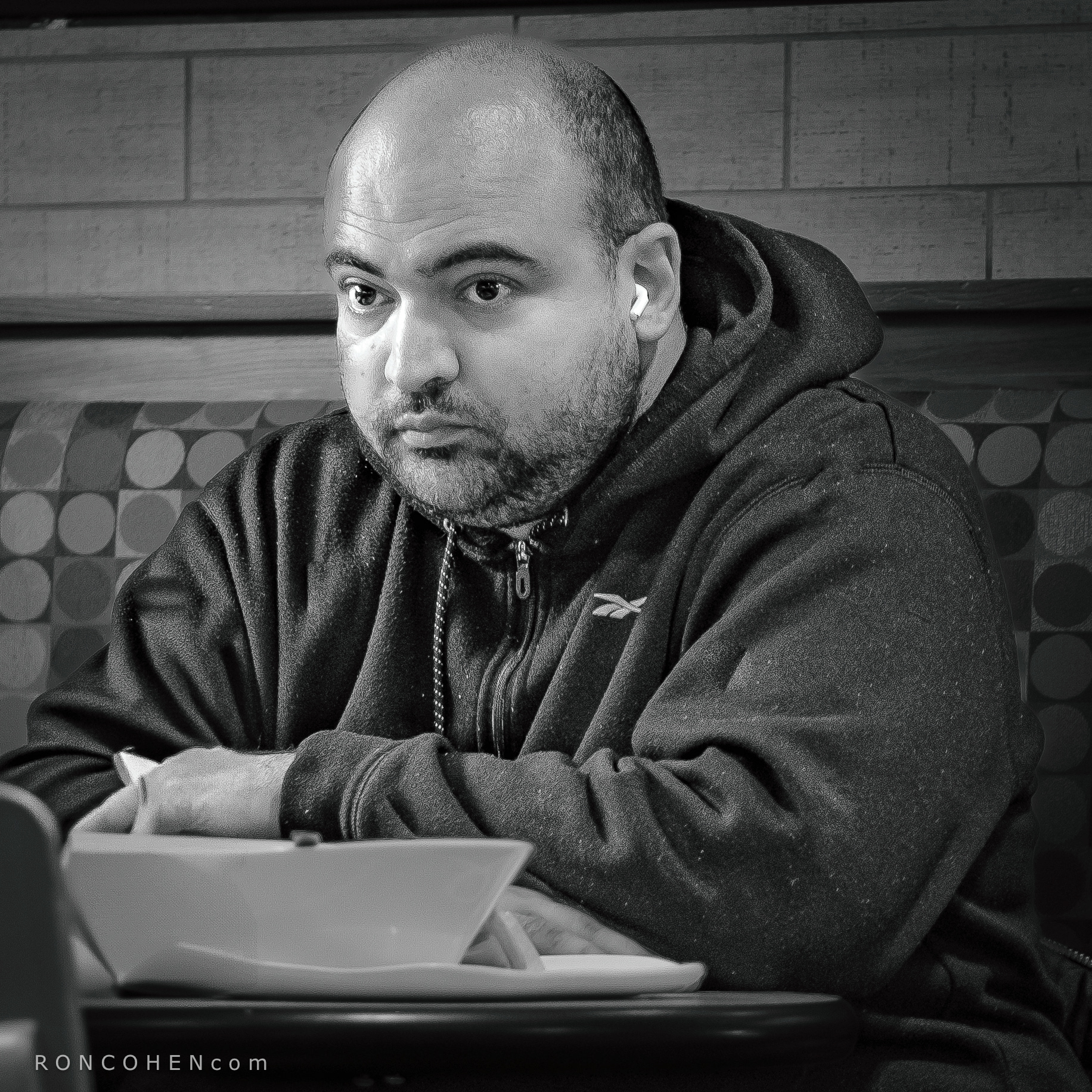
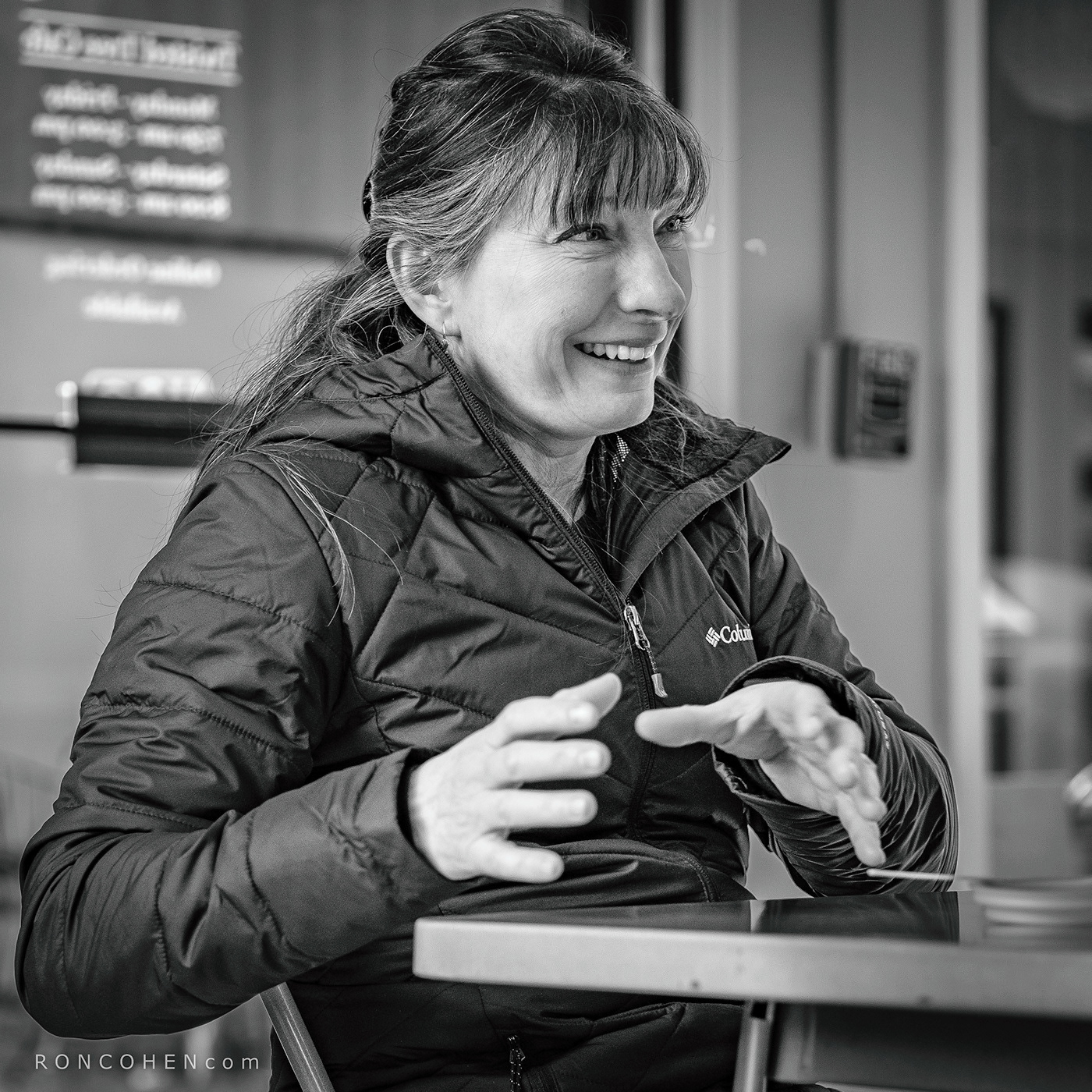
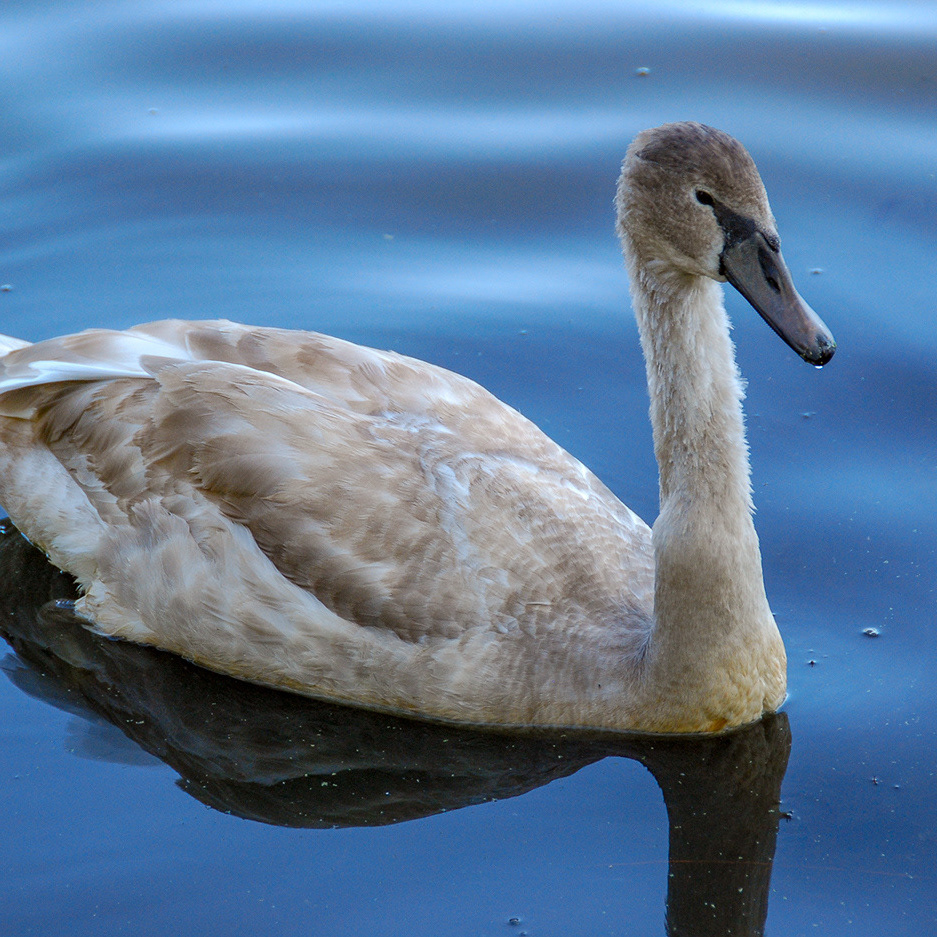
⬇︎Click or tap on any photo, below, to open slide show. Use keyboard arrows or swipe to view slides.


When you shoot RAW, the digital camera collects all the visual data in the scene. The camera's firmware interprets that data and converts it into a usable image. If you are a journalist on a deadline, you will adjust your camera settings to get the best possible image directly from the camera. If you're an artist, you have the luxury of making your adjustments later in photo-editing software where you have more control, and can create an image according to your artistic vision. In so doing you will affirm the words of Ansel Adams, "You don't take a photograph, you make it." His stated goal was always a "sparkling" photograph.
The images above show what can be achieved artistically. Those on the left are from the camera; on the right from the photo-editor. In the middle example, the subject's computer and paper cup have been removed by the AI-powered "Remove" tool in Lightroom Classic. My goal, as always, is not to report literally, but to capture the mood and create a beautiful image. To that end, I may remove unwanted objects or blemishes, but I will never deliberately add something. Finally, I choose to crop, but you may not; it's a personal, artistic decision.
Where to start? There are numerous videos online that discuss what it means to shoot RAW, and how to edit your RAW images according to your artistic vision.